

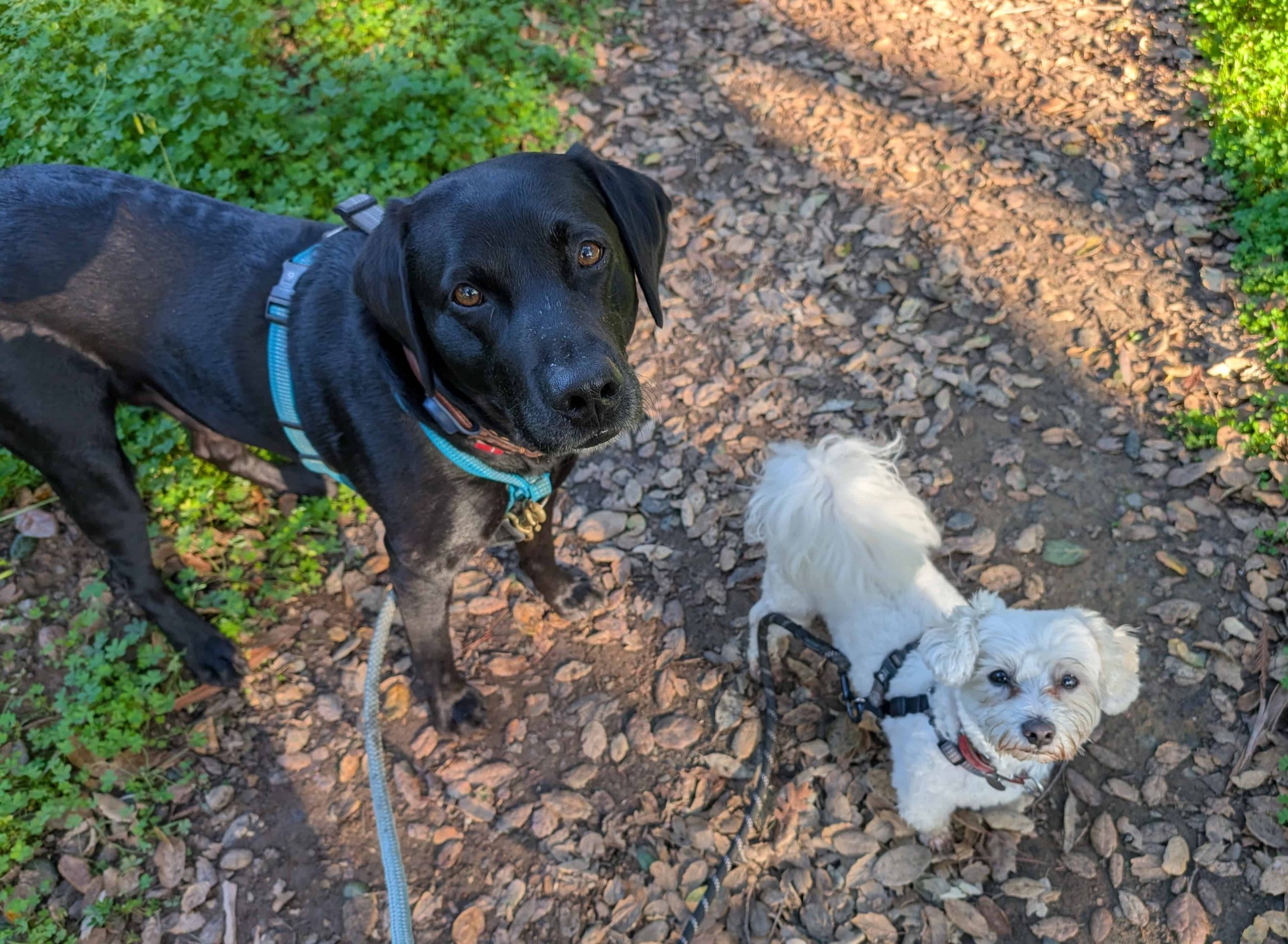
If you do a lot of Redwood City dog walking, you already know one of the best parts of living here: we are close to beautiful neighborhoods, hillside trails, and open space. But that same access to nature also means local pet parents need to think a little more carefully about wildlife safety.
In Redwood City and San Carlos, two of the most common concerns on walks are coyotes and ticks. Whether you walk around your neighborhood, head toward the hills, or use a professional dog walking service, it helps to know where the risks are, what is normal, and what simple habits make walks much safer.
For many families, Redwood City dog walking is part of the daily routine that keeps a dog healthy, calm, and happy. But safe walks are not just about leash skills and route planning. They are also about reading the environment.
Coyotes are well adapted to residential and urban areas in California, and San Mateo County’s vector-control resources make clear that ticks are part of the local landscape too. That does not mean you need to panic or avoid walking your dog. It means being informed, staying observant, and making smart choices about timing, route selection, and post-walk checks. If you’re looking for neighborhood-specific support, our dog walking services in Redwood City and San Carlos are a great place to start!
Why this matters locally
One reason Redwood City dog walking requires local awareness is that city sits right at the edge of neighborhoods, parks, and natural habitat. Redwood City’s Stulsaft Park specifically reminds visitors that hillside parks are shared with wildlife, and Midpen’s Pulgas Ridge Preserve near San Carlos offers dog-friendly trails and open-space access that many Peninsula dog owners enjoy. Those are major perks of living here, but they also create more chances for wildlife encounters than you might expect on a casual midday walk.
Coyotes are native to California and are now common in rural, suburban, and urban environments. According to the California Department of Fish and Wildlife, they are highly adaptable and conflicts tend to increase when coyotes gain access to food sources like pet food, trash, rodents, or other easy attractants.
In other words, the issue with Redwood City dog walking is usually not that coyotes are “invading” our neighborhoods. It’s that neighborhoods often become comfortable places for coyotes to pass through or hunt. For dog owners, that matters most with small dogs, dogs on retractable leashes, dogs walking at dawn or dusk, and dogs allowed to range too far ahead.
Ticks are the quieter risk, and in some ways they are easier to miss. San Mateo County Mosquito and Vector Control notes that there are 21 species of hard ticks in the county, and the western black-legged tick (Ixodes pacificus) is the primary vector of Lyme disease to humans in California.
District surveillance also notes that ticks collected in local parks are most likely to bite humans during the county’s December-through-June collection window, while local species activity varies by life stage. That means local risk is real even when a trail looks clean and dry.
Coyote safety on walks: what pet parents should know
When people think about Redwood City dog walking, they often imagine traffic, off-leash dogs, or hot pavement. Wildlife usually feels like a secondary concern until the first sighting happens. The good news is that most coyote encounters do not turn into emergencies. Most coyotes want distance from people. Problems are more likely when a coyote has become habituated to human spaces or when a dog is very small, off leash, or far from the person handling them.
The biggest rule is simple: keep your dog close. If you are walking in a neighborhood near open space, on a quieter trail, or during low-light hours, a standard fixed leash gives you much more control than a retractable one. The American Kennel Club recommends keeping dogs leashed and close to you, especially in areas where coyotes are known to be active.
If a coyote lingers, loud noise can help. Waving your arms, yelling, stomping, and scaring them off benefits not only you and your dog, but the coyote, too. Indifference towards humans is incredibly dangerous for wildlife.
A few practical habits make a big difference:
- Keep small dogs especially close to your body and do not let them wander ahead on a long line.
- Avoid letting your dog sniff in brushy edges for too long at dawn, dusk, or night.
- Skip routes where visibility is poor if you have recently heard of sightings.
And if you see a coyote, do not run and do not let your dog bark hysterically at the end of the leash. Instead, stay calm, make yourself look bigger, keep eye contact, and move away with purpose while keeping your dog near you. This is essential for Redwood City dog walking.
The Department of Fish and Wildlife emphasizes reducing attractants and preventing coyotes from becoming comfortable around people in the first place. That applies to neighborhoods as much as trails. Outdoor pet food, unsecured garbage, fallen fruit, and rodent activity can all make a block more appealing to coyotes.
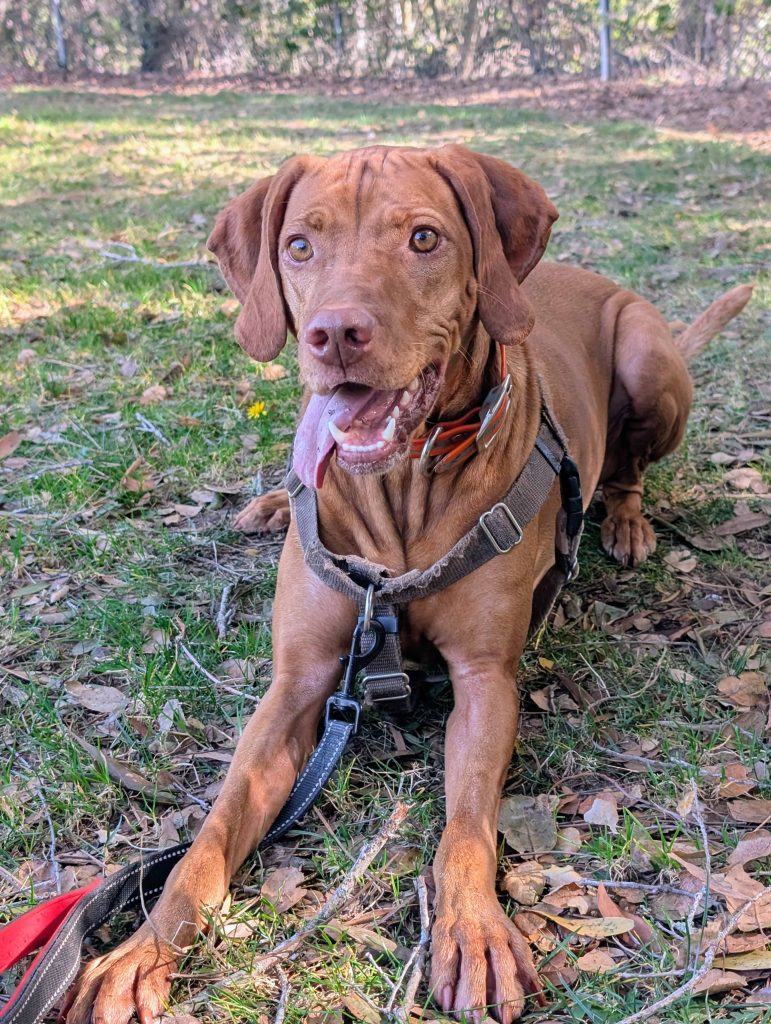
Tick safety on walks: the risk is easy to underestimate
If coyote safety is about visible awareness, tick safety is about routine. A lot of Redwood City dog walking happens in neighborhoods that seem suburban and tidy, but ticks do not need dramatic wilderness. The CDC notes that tick exposure can happen in grassy, brushy, or wooded areas and even in your own yard. San Mateo County’s vector-control materials and Midpen’s trail guidance both recommend staying in the center of trails and avoiding contact with brush, tall grass, and leaf litter.
This matters in San Carlos and Redwood City because many great walking areas transition quickly from residential streets to trail edges, hillside vegetation, creek corridors, and open-space margins. If your dog loves to nose into tall grass or wander along the side of the trail, the risk goes up.
The most useful prevention habits are not complicated:
- Choose cleaner, wider walking lines when possible.
- Stay out of overgrown edges.
- Be more careful in grassy or brushy areas, especially in the spring and early summer when smaller ticks can be active and harder to see.
- Regardless of whether you hike or walk in higher-risk areas, talk with your vet about a reliable tick preventive that fits your dog’s age, breed, and health history. Many, such as Simparica Trio, also serve as a flea and heart worm preventatives, eliminating the need for multiple prescriptions.
- The CDC specifically recommends daily tick checks on pets that go outdoors, and notes that pets can also bring ticks into the home.
Related: Foxtails in San Carlos: Your Local Guide to Dog Safety and Trail Tips
Your post-walk routine matters more than most people realize
A safe Redwood City dog walking routine does not end when you come back through the front door. This is where a lot of prevention actually happens.
After walks in grassy, brushy, or trail-adjacent areas, do a quick but thorough check of your dog. Focus on the ears, around the eyelids, under the collar, between the toes, under the front legs, around the tail, and the groin area. Those are common hiding spots. The AKC has a helpful guide on where ticks often hide.
If you find a tick, remove it promptly and correctly. Fine-point tweezers or a tick-removal tool are the standard recommendation. Grasp close to the skin and pull straight out in a slow, steady motion. Do not crush it with your fingers, twist aggressively, or try home remedies like petroleum jelly or heat.
Then, monitor your dog over the next several days and call your vet if you notice lethargy, appetite changes, fever, lameness, swelling, or anything else that seems off. Not every tick causes illness, but local prevention is about stacking small smart habits in your favor.
How to adjust your route without becoming fearful
One thing we tell local clients all the time is this: safe Redwood City dog walking does not require substantial changes. It requires good judgment.
You do not need to stop walking your dog in Redwood City or San Carlos. You just want to be a little more intentional about where and how you walk.
That may mean choosing better-lit neighborhood routes early in the morning, avoiding brushy trail edges during peak tick season, keeping a smaller dog on a shorter leash near open space, switching from a retractable leash to a standard one, and/or deciding that some dogs are better off with neighborhood enrichment walks rather than more adventurous routes.
For busy Peninsula pet parents, this is also where hiring a local professional can help. A good dog walker Redwood City & San Carlos families trust is not just there to log steps. They are there to notice changing conditions, adapt to local wildlife patterns, and keep your dog safe while still giving them a fulfilling walk.
At Simply The Best, we do just that, all while returning time and energy back to you by fully handling your dog’s midday walk. Learn more today!
The bigger picture: local expertise matters
At the end of the day, Redwood City dog walking is about more than exercise. It is about trust, consistency, and knowing the local environment well enough to make good decisions for each dog. Coyotes and ticks are part of life on the Peninsula, especially in neighborhoods that border open space or use hillside and trail routes regularly. But with a little awareness, they are manageable risks.
The goal is not to make dog owners afraid of local wildlife. The goal is to help you walk smarter. Keep your dog close. Use routes with good visibility. Avoid brushy edges when tick exposure is more likely. Do a quick check after walks. Stay current on preventives. And work with people who understand the specific realities of Redwood City dog walking and San Carlos dog walking, not just dog care in general.
That kind of local knowledge is what keeps walks safe, enjoyable, and sustainable for the long term.
Simply The Best Pet Care specializes in returning time and energy back to high-performing Bay Area pet parents’ schedules. Ready to feel the STB difference and never worry about your dog’s midday walk? Get started today!
1. Are coyotes common in Redwood City and San Carlos?
Yes. Coyotes are common throughout California, including suburban and urban areas. In Peninsula neighborhoods near open space, creek corridors, and hillside parks, sightings are not unusual. That does not mean Redwood City dog walking (or San Carlos dog walking) is dangerous, but it does mean dog owners should stay aware and keep dogs close.
2. What time of day are coyotes most concerning for dog walks?
Dawn, dusk, and nighttime tend to be the most cautious times for dog walks where coyote activity is a concern. In practice, low-visibility conditions matter most. If you have a small dog, avoid quiet brushy routes during those times when possible.
3. Where are ticks most likely to be picked up on walks?
Ticks are most commonly picked up in grassy, brushy, wooded, or leaf-litter-heavy areas. Dogs can also pick them up along trail edges, overgrown medians, and open-space margins. They are less about “deep wilderness” than people think.
4. Should I worry about ticks even on neighborhood walks?
Sometimes, yes. If your route passes near open space, creek vegetation, tall grass, or unmanaged brush, there can still be risk. This is one reason local route knowledge matters so much.
5. What should I do if I find a tick on my dog?
Remove it promptly with fine-point tweezers or a tick-removal tool, pulling straight out steadily and cleaning the area afterward. Then watch your dog for signs of illness and call your veterinarian if anything seems unusual.
6. Are small dogs at greater risk from coyotes?
Yes. Smaller dogs are generally more vulnerable in a coyote encounter, especially if they are off leash, on a long leash, or walking far ahead of the person handling them.
7. What makes a good Redwood City or San Carlos dog walker?
Look for someone who is reliable, insured, attentive, and locally knowledgeable. A strong walking team should understand dog behavior, neighborhood routes, wildlife awareness, heat and pavement safety, and how to adjust the walk to the individual dog.

Caroline Mameesh is the founder of Simply The Best Pet Care and has provided professional pet care on the San Francisco Peninsula since 2014. She leads STB’s small team of vetted, trained W-2 employees and specializes in private dog walking, in-home pet sitting, pet-care safety, and reliable care systems. Simply The Best Pet Care is insured and bonded, a member of Pet Sitters International, and Caroline is a dedicated student of DogCo Launch. She is committed to raising the bar for pet care. When she isn’t out with pets or working to make Simply The Best even better for her clients, she likes to put her knowledge and years of experience down on paper so she can share it with pet parents more easily. That’s why this blog was born!