

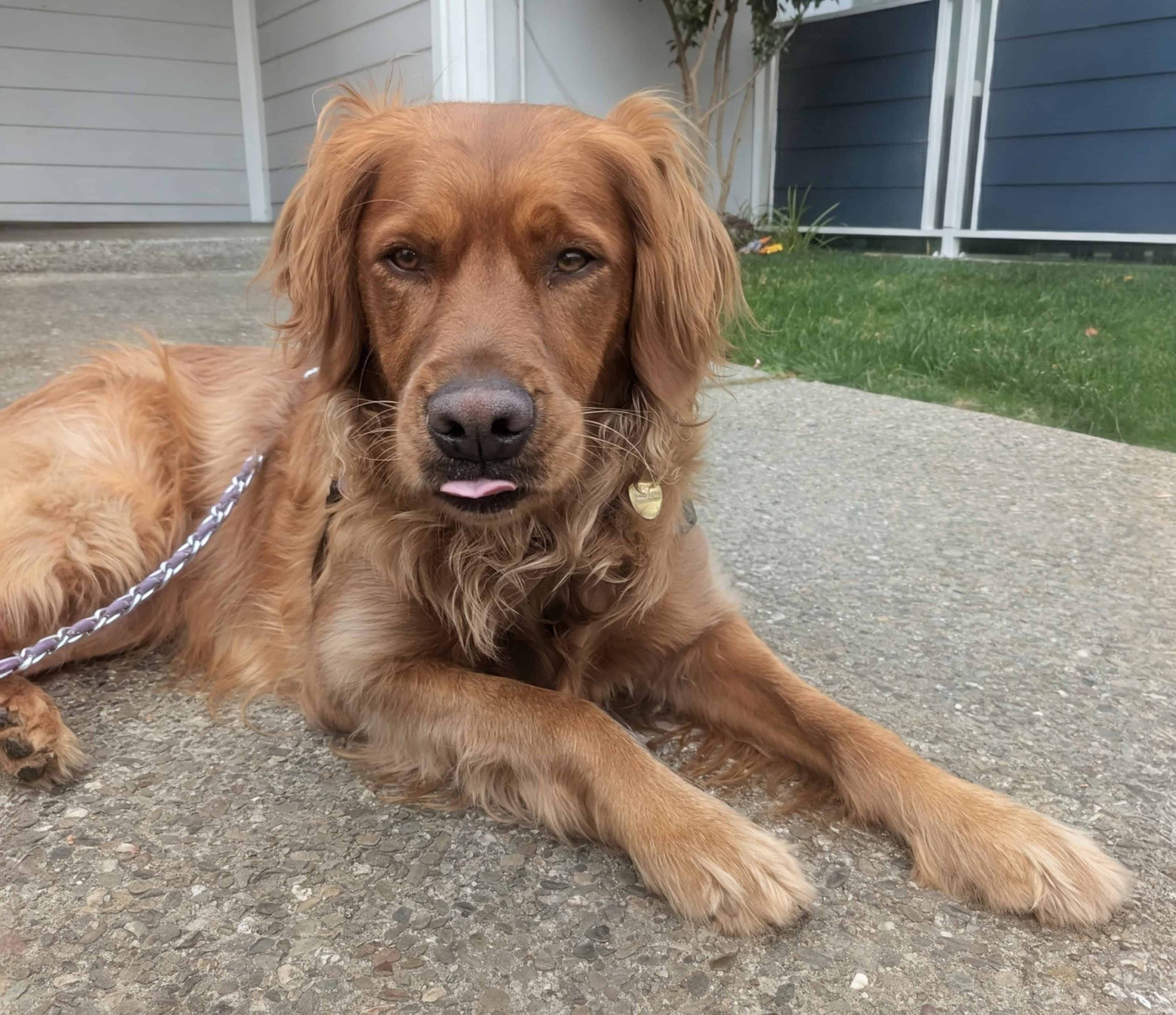
When a dog refuses to walk, it can feel confusing, frustrating, and sometimes a little embarrassing—especially when your dog suddenly turns into a limp noodle in the middle of the sidewalk. One minute you are heading out normally for a nice dog walk, and the next your dog is planted on the ground, leaning backward, or simply refusing to move.
This is a surprisingly common issue. A dog refuses to walk for many different reasons, and not all of them are behavioral. Sometimes the cause is fear. Sometimes it is discomfort. Sometimes your dog is overstimulated, under-socialized, too hot, or simply unsure about something in the environment. And sometimes a dog refuses to walk because the walk itself is not matching their needs, energy level, or comfort zone.
For Peninsula pet parents looking for help close to home, working with a trusted local team familiar with neighborhoods like those Redwood City or surrounding cities can make outings feel much more predictable and successful.
For now, let’s break down the pancake dog and what you can do about it.
What is a “pancake” dog?
A “pancake” dog is a dog who flattens, stalls, braces, or stops moving on a walk. They may:
- freeze in place
- lie down suddenly
- lean hard against the leash
- pull backward toward home
- refuse to leave the driveway
- stop midway through the walk and refuse to continue
When a dog refuses to walk, body language matters. A dog who is scared may crouch low, tuck their tail, pin their ears back, and scan the environment. A dog who is physically uncomfortable may lag, limp, sit down frequently, or hesitate when turning or stepping onto certain surfaces. A dog who is overwhelmed may simply shut down.
The key is this: when a dog refuses to walk, it is usually communication, not stubbornness.
The most common reasons a dog refuses to walk
1. Fear or anxiety
This is one of the biggest reasons a dog refuses to walk. The trigger may be obvious, like a loud truck, barking dog, skateboard, leaf blower, construction noise, or crowded sidewalk. But sometimes it is subtle. Your dog may have had one bad experience in a certain spot and now associates that area with stress.
Fear-based freezing often shows up in puppies, newly adopted dogs, sensitive dogs, and dogs who are still building confidence outdoors. If your dog refuses to walk at the same corner, near the same house, or at the same time of day, fear is a strong possibility.
2. Physical discomfort or pain
Sometimes, a dog refuses to walk because walking hurts. Paw irritation, a torn nail, sore muscles, joint pain, back discomfort, a poorly fitted harness, or even a hidden injury can all cause sudden refusal.
This is especially important if your dog normally loves walks and then abruptly changes. According to the AKC, limping or changes in gait can point to injury, strain, or other medical issues that deserve attention.
If your dog won’t bear weight, cries out, seems unusually stiff, or the refusal is sudden and intense, it is best to pause the walk and call your vet.
3. Heat, weather, or surface discomfort
Sometimes a dog refuses to walk because the pavement is too hot, the weather is too warm, or the environment feels physically unpleasant. Heat can affect dogs faster than many owners realize, especially brachycephalic breeds, seniors, thick-coated dogs, and dogs with lower heat tolerance.
The AKC’s heatstroke guidance is a good reminder that overheating can escalate quickly.
Even if your dog is not in crisis, warm pavement, bright sun, or dry rough surfaces may be enough to make your dog stop walking or try to turn back.
4. The harness, collar, or leash setup feels wrong
A dog refuses to walk more often when the gear is uncomfortable or confusing. Harnesses that rub under the armpits, restrict shoulder movement, or sit oddly across the chest can make even a willing dog hesitate. Some dogs also shut down if they have had negative experiences with leash pressure.
If your dog won’t walk on leash, check the fit of all gear – harness, collar, leash – before assuming it is behavioral. Is the harness chafing? Is it twisted? Are you clipping to a point that makes your dog feel off-balance? Has the dog recently changed weight or coat thickness?
5. Overstimulation
Not every dog who stops is scared in the classic sense. Some dogs become mentally flooded by too much input. Busy sidewalks, strong smells, traffic, delivery vans, other dogs, and constant novelty can all push a dog past their comfort threshold. When that happens, a dog refuses to walk because their nervous system is overloaded.
This often happens with intelligent, sensitive, or high-alert dogs. The dog may not melt down dramatically. They may simply stop.
6. They learned that stopping works
Sometimes a dog refuses to walk because it has become part of a pattern. If stopping always leads to being picked up, going home, switching direction, or getting a lot of coaxing and attention, the behavior can become sticky.
That does not mean your dog is manipulative. It means behaviors that “work” tend to repeat. This is why consistency matters so much.
7. The walk is too much, too little, or poorly timed
Sometimes, a dog refuses to walk when the walk does not fit the dog. For example:
- a young dog asked to walk too far too soon
- a senior dog expected to keep up with a fast pace
- a dog taken out during the hottest part of the day
- a dog walked when already overtired or stressed
- a dog who needs decompression, not a brisk neighborhood loop
Sometimes the answer is not “make the dog keep going.” Sometimes the answer is “change the kind of walk.”
What to do in the moment when your dog refuses to walk
If a dog refuses to walk, the biggest mistake is escalating the pressure. Pulling harder, dragging, scolding, or turning the moment into a standoff usually increases stress.
Try this instead:
Pause and assess
Stop moving for a moment. Look at your dog’s body language. Are they frightened? Hot? Limping? Distracted? Staring at something? Sniffing the air? Looking back toward home?
Check for pain or environmental discomfort
Look at the paws. Check the harness fit. Notice the pavement temperature, sun exposure, and nearby noise or activity.
Reduce pressure
Loosen the leash slightly. Stand sideways instead of facing your dog head-on. Use a calm voice. Sometimes a little space helps a dog reset.
Encourage, do not force
Use a cheerful tone, take a few light steps, and reward even small movement. If your dog takes two steps forward, that is worth acknowledging. High-value treats help a lot, but in their absence, verbal praise is essential.
Change the environment
If the trigger is obvious, move away from it if possible. Cross the street, turn down a quieter block, or head toward shade.
Know when to end the walk
If a dog refuses to walk because they seem frightened, physically uncomfortable, or overheated, ending the walk may be the right move. Not every walk needs to be “won.”
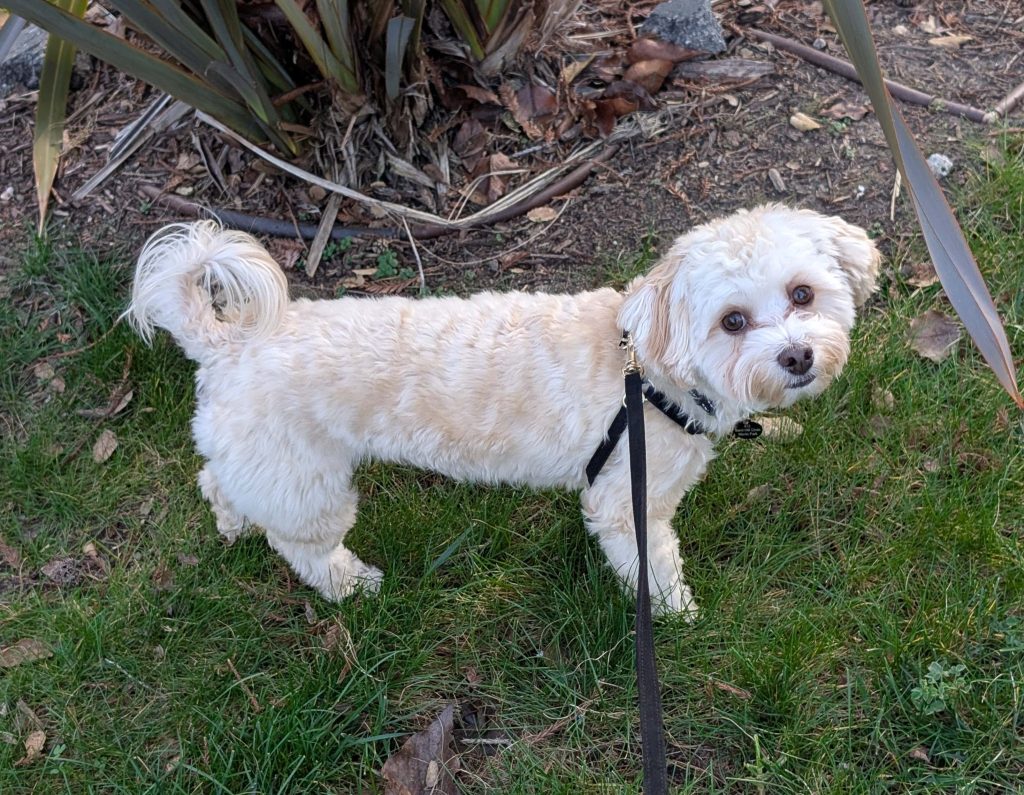
When refusal is a medical issue, not a training issue
Sometimes owners assume a dog refuses to walk because they are being difficult, when really the dog needs medical evaluation.
Call your vet promptly if you notice:
- limping or stiffness
- yelping or signs of pain
- reluctance to stand up or climb stairs
- heavy panting unrelated to exercise level
- sudden weakness or lethargy
- repeated refusal over several walks with no clear trigger
- any sudden change in a dog who usually loves walks
Body language and sudden behavioral changes can signal stress, discomfort, or broader health concerns and are worth taking seriously.
How to help a dog who stops walking regularly
If your dog refuses to walk often, prevention matters more than pep talks.
Build confidence gradually
For fearful dogs, shorter and easier outings are often better than pushing through. Start where your dog can succeed. That may mean standing outside for a minute, walking one house down, then returning.
Keep your routine predictable
Many dogs feel safer when walks happen at familiar times and follow a loose rhythm. Predictability reduces stress.
Match the walk to the dog
A sniff-heavy decompression stroll may be more appropriate than a brisk exercise walk. Some dogs need less distance and more choice.
Use better timing
Try cooler times of day, quieter streets, or routes with less traffic and fewer triggers.
Revisit the gear
A more comfortable harness or leash setup can make a huge difference, especially if your dog won’t walk on leash without protest.
Reinforce movement and calm
Reward forward motion, check-ins, and relaxed body language. You are trying to create a positive emotional pattern around walking, not just physical compliance.
When a professional dog walker can help
Sometimes pet parents are too close to the pattern to see what is going wrong. A skilled walker can often identify whether a dog refuses to walk because of fear, routine mismatch, handling style, neighborhood triggers, or an equipment issue.
This is especially helpful when:
- your dog behaves differently with different handlers
- mornings go poorly because you are rushing
- your dog does better with calm, consistent structure
- you want someone experienced to help rebuild walking confidence
- you need reliable weekday support and do not want every walk to feel like guesswork
A good professional is not just there to “get the walk done.” They should notice patterns, adapt to the dog in front of them, and communicate what they are seeing. For many busy pet parents, that kind of consistency is what finally helps when a dog refuses to walk over and over again.
At Simply The Best, we specialize in helping high-performing Bay Area professionals lighten their mental load and outsource their dog’s midday walk. If you’re feeling overwhelmed that your dog refuses to walk and could use some help navigating the situation, we’d love to meet you. Schedule your complimentary meet & greet today to see why we’re the #1 choice for pet parents like you.
What not to do
If your dog refuses to walk, try to avoid:
- dragging them forward
- punishing them for stopping
- assuming they are being stubborn
- repeating the same failed route every day
- ignoring possible pain
- pushing through heat or overstimulation
- turning every walk into a battle of wills
The goal is not to overpower your dog. The goal is to understand why your dog refuses to walk and respond in a way that builds safety and trust.
Final thoughts
When a dog refuses to walk, it is easy to think the solution is more discipline or more persistence. In reality, the best answer is usually better observation. A dog who pancakes on walks is giving you information. The question is whether the message is fear, discomfort, overwhelm, poor fit, or a routine that needs adjusting.
The good news is that most cases improve once the underlying cause becomes clearer. If your dog refuses to walk, start by ruling out pain, lowering pressure, and making the walk easier – not harder.
And if you are dealing with this regularly, professional support can make a real difference. A calm, experienced routine is often exactly what helps when a dog refuses to walk and your outings have stopped feeling easy. Learn more about Simply The Best Pet Care’s dog walking services today.
1. Why does my dog refuse to walk all of a sudden?
If your dog suddenly refuses to walk, consider pain, paw injury, illness, fear, or heat before assuming it is behavioral. A sudden change in a dog who normally enjoys walks deserves closer attention.
2. Is my dog stubborn or scared?
Usually, a dog who freezes or pancakes is scared, uncomfortable, or overwhelmed rather than stubborn. Body language helps tell the story. Tail tuck, crouching, lip licking, scanning, and leaning backward often point to stress.
3. What should I do if my dog stops walking in the middle of a walk?
Pause, assess the environment, loosen leash pressure, and check for signs of pain or overheating. Encourage gently, but do not drag your dog forward.
4. Why won’t my dog walk on leash anymore?
If your dog won’t walk on leash, the cause may be fear, a negative leash association, poor harness fit, physical discomfort, or overstimulation. Look at both the equipment and the environment.
5. Should I carry my dog if they refuse to walk?
Sometimes yes, especially if your dog is injured, overheated, or truly panicked. But if the behavior is part of a repeated pattern, it helps to figure out the cause so the refusal does not become the default response.
6. Can a dog walker help with a dog that stops walking?
Yes! An experienced dog walker can often spot patterns, use calmer handling, choose better routes, and create more consistent walking habits. This is especially useful for busy owners who want reliable weekday support.
7. When should I call the vet if my dog refuses to walk?
Call your vet if the refusal is sudden, your dog seems painful, is limping, pants excessively, seems weak, or shows any other unusual symptoms alongside the walking refusal.
8. How do I find help locally if walks have become stressful?
Search for a reliable, insured local provider with experience handling shy, sensitive, or hesitant dogs. If you are on the Peninsula, many owners start with searches like “dog walker near me” or “dog walker Redwood City” because they want someone who knows the neighborhood and can provide steady, low-stress support.
If the refusal to walk is substantial, has been going on for years, or you can never catch a break from it, consider working with a dog trainer first, then transitioning to a dog walker.

Caroline Mameesh is the founder of Simply The Best Pet Care and has provided professional pet care on the San Francisco Peninsula since 2014. She leads STB’s small team of vetted, trained W-2 employees and specializes in private dog walking, in-home pet sitting, pet-care safety, and reliable care systems. Simply The Best Pet Care is insured and bonded, a member of Pet Sitters International, and Caroline is a dedicated student of DogCo Launch. She is committed to raising the bar for pet care. When she isn’t out with pets or working to make Simply The Best even better for her clients, she likes to put her knowledge and years of experience down on paper so she can share it with pet parents more easily. That’s why this blog was born!