

A professional private dog walk should include more than taking a dog outside and walking around the block. The complete visit includes secure home access, a thoughtful greeting, an equipment check, a walk tailored to the individual dog, attentive observation, checks back at home, and a detailed update for the pet parent.
For busy Peninsula professionals, that means your dog’s midday routine is handled from beginning to end – without another item landing on your already-full calendar.
The Visit Begins Before the Walker Arrives
A successful dog walk starts with accurate information.
Before a new STB client’s first walk, we hold a complimentary meet and greet to learn about the dog, the home, and the household’s preferred routine. We discuss access instructions, equipment, walking cues, reactivities, health considerations, and anything else the team should know.
Those details are documented in Time To Pet, our all-in-one software platform – so they are available to the trained team members who care for the dog. Clients can review and update their information when something changes. This app keeps all information in one central place, meaning you’re never scrambling to find details.
If you are preparing for your first visit, our new dog walker checklist explains what to share before recurring walks begin.
1. Secure Arrival and Home Access
When the walker arrives, they follow the household’s documented entry instructions. Depending on the home, this may involve a lockbox, door code, alarm, gate, garage, apartment entry system, or another access method established during onboarding.
Peninsula homes can present their own logistical considerations, including long driveways, gated properties, limited parking, and family members working from home. Clear instructions help the walker enter calmly, avoid unnecessary interruptions, and secure the home properly afterward. We will review these with you and may take photos to give our team a visual “walkthrough” to help enter your home correctly.
A professional walker should also pay attention to anything unexpected when it comes to home access or security. An open gate, unfamiliar vehicle, damaged lockbox, or change inside the home should not simply be ignored. If something could affect the dog, the visit, or the security of the property, the walker should follow the company’s procedures and communicate with the client.
2. A Calm Greeting and Condition Check
The walker’s first task is to greet the dog in the way that works best for that individual pet. We never want to rush the dog or make them uncomfortable – this can set them back. Instead, we go at their pace to make the experience positive and rewarding.
One dog may gallop happily toward us right when we arrive. Another may need a quieter arrival, a few moments to sniff, or a familiar greeting routine before they are ready. The walker should follow the dog’s documented preferences while observing how they appear that day.
An attentive walker may notice:
- Unusual hesitation or excitement
- A change in energy
- Stiffness or limping
- Coughing, digestive concerns, or an accident in the home
- Sensitivity when the harness is applied
- A behavior that differs from the dog’s normal baseline
Although a dog walker does not diagnose medical conditions, it is their responsibility to notice meaningful changes, adjust appropriately within their scope, document what happened, and contact the client when needed. They are the first line of defense when the pet parent is at work.
This is one reason recurring care can be so valuable. When a professional team sees a dog regularly and follows consistent notes, it becomes easier to recognize when something is different.
3. Leash, Harness, and Equipment Check
Before leaving the home, the walker confirms that the dog’s leash, harness, collar, identification, and other requested equipment are properly positioned and secure.
The American Veterinary Medical Association recommends making sure a dog’s collar or harness fits correctly to help prevent injury or escape. The pet parent should provide equipment appropriate for the individual dog and demonstrate any special fitting instructions during the meet and greet.
At STB, we use the client-provided walking equipment and will never introduce aversive tools. If something appears damaged, unusually loose, or unsafe to use, we will contact the pet parent or use an alternative setup if available.
Treats, poop bags, towels, rain gear, and any other walking supplies should be kept in the agreed-upon location so the visit can begin smoothly.
4. A Private Walk Built Around the Individual Dog
Once outside, the walk should reflect the dog in front of the walker – not a preset pace or mileage goal.
A healthy, energetic adult dog may enjoy a purposeful pace and a longer route. A senior dog may prefer a shorter distance with more time to sniff. A dog who is sensitive to traffic, bicycles, other dogs, or construction may need a quieter route with more space.
Private neighborhood walks give the walker the flexibility to make those adjustments without requiring the dog to keep pace with an unfamiliar group.
During the walk, the team member may consider:
- The dog’s normal pace and energy level
- Age, health, fitness, and owner or veterinary instructions
- Opportunities to sniff and explore
- Heat, rain, pavement temperature, and other weather conditions
- Hills, traffic, wildlife, and neighborhood activity
- Known cues, triggers, and handling preferences
- Whether anything about the dog appears different from normal
The goal is not to cover the greatest possible distance. It is to provide an appropriate outing for that dog while following the household’s established care plan, ensuring a safe and fulfilling experience for all.
5. Attentive Care Requires Real-Time Judgment
A professional dog walker cannot anticipate every situation before leaving the house. The quality and experience level of the people walking your dog often become most apparent when something changes during the visit.
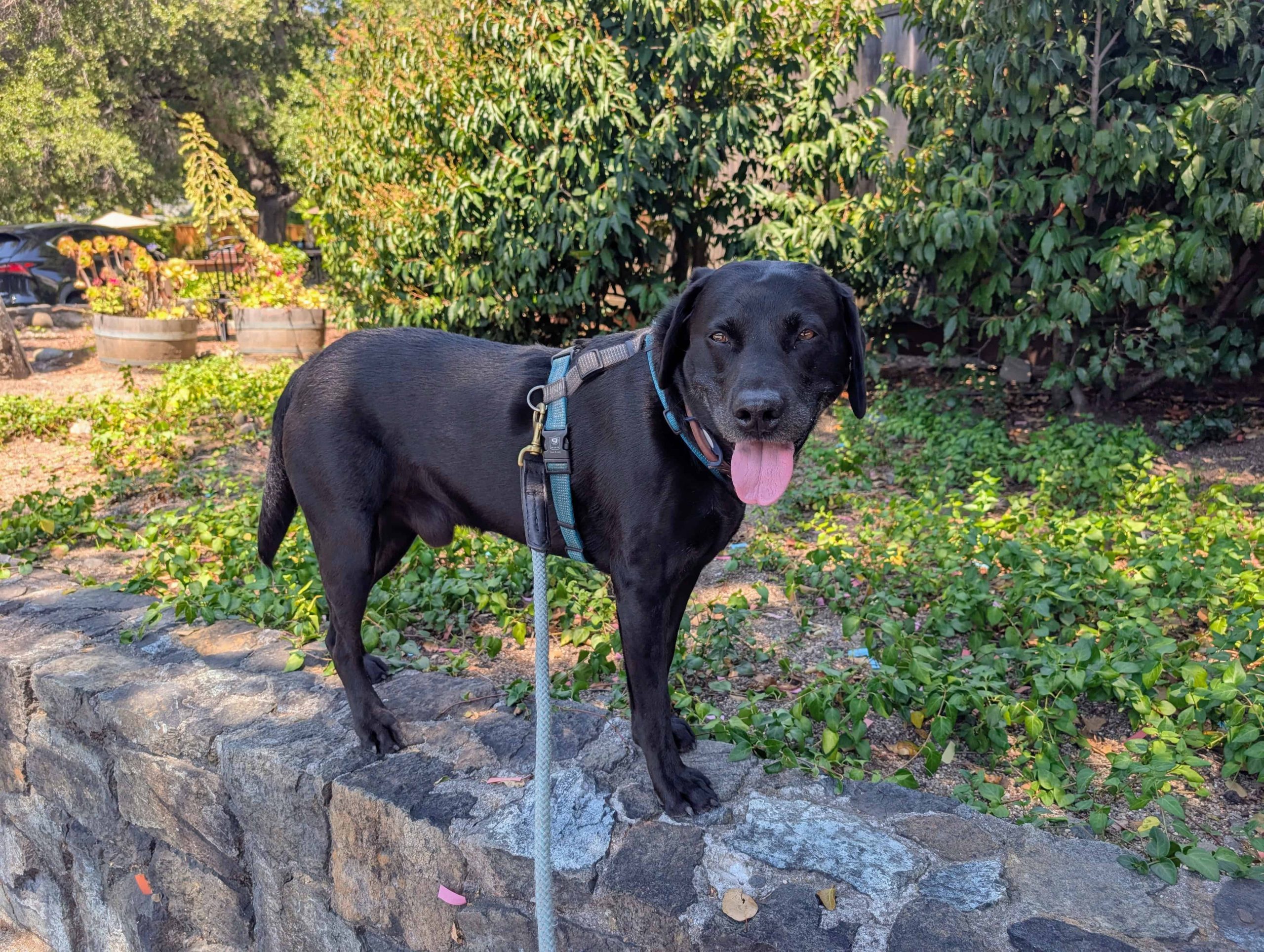
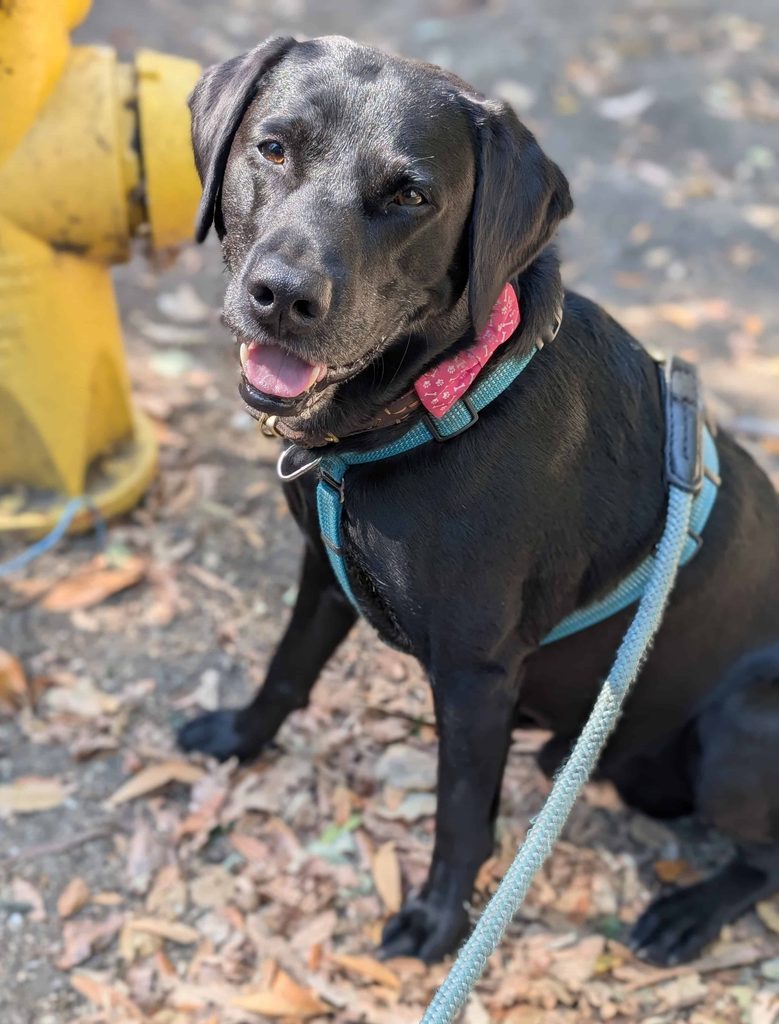
Adi is an energetic Black Lab who normally receives two consecutive hours of walking with STB each weekday morning. His 10-pound brother, Leo, joins him for the first hour. After Leo returns home, Adi continues for a second solo hour that can be as active as he wants it to be.
During a recent walk, our STB team member noticed that Adi had developed a slight limp about halfway through the first hour.
Our team member contacted Adi’s mom immediately but did not receive a reply while the walk was in progress. Rather than continuing with the normal two-hour plan and potentially aggravating the problem, she turned around, brought Adi and Leo home, and did not begin Adi’s second hour.
Afterward, STB spoke with Adi’s mom about what our team member had observed. Together, we decided to reduce his remaining walks that week to give him time to rest. By the following week, Adi was no longer limping.
The team member did not attempt to diagnose the cause of the limp. Rather, she noticed a change, communicated promptly, made a cautious decision within her role, and helped the household adjust the immediate walking plan.
That is an important distinction. Completing the originally scheduled route is not more important than responding thoughtfully to the dog’s condition.
Veterinary guidance supports limiting activity when a dog is limping. VCA Animal Hospitals advises restricting the activity of a lame dog and contacting a veterinarian when appropriate, particularly if the lameness persists. Determining the underlying cause belongs with a veterinarian, who can evaluate the dog’s movement, health history, and affected limb, as explained by the Merck Veterinary Manual.
A professional dog walker’s role is to observe, report, follow the client’s instructions, and use the company’s emergency procedures when the situation requires them.
6. A Thoughtful Return-Home Routine
The visit isn’t over the moment the dog reaches the front door!
After returning home, the walker follows the household’s established routine. Depending on the dog and the weather, this may include:
- Removing and returning walking equipment to its usual location
- Drying wet paws or fur
- Checking or refreshing water
- Settling the dog in the appropriate area
- Returning the dog to a pen, crate, room, or free-roaming setup
- Confirming that gates and doors are secure
- Checking for packages
- Leaving the home as it was found
This part of the visit matters. A dog who has just completed an active walk may need a moment to settle, while a shy dog may rely on a very specific return-home routine. Clear documentation helps the team follow those details consistently.
7. Detailed Reports, Photographs, and Timestamps
After the visit, the owner should never have to wonder whether the walker arrived, how the dog behaved, or whether anything unusual happened.
STB sends a detailed post-visit report through Time To Pet. Reports include adorable photographs (check out our Instagram for some real post-visit pictures!), a summary of the walk, and relevant observations.
A useful report may tell the client:
- How the dog greeted the walker
- What kind of pace or route they enjoyed
- Whether they urinated or had a bowel movement
- How they responded to other dogs, people, traffic, or wildlife
- Whether their energy or behavior appeared typical
- Whether water, packages, or household concerns were checked
- If anything unusual occurred
- Whether the client needs to take a next step
The purpose of these reports is to give the client useful information and the confidence so they can return their attention to the rest of their day (and a few cute photos never hurt!).
If a concern arises, direct communication should not wait for a routine report. As our team member did when she noticed Adi’s limp, the walker should contact the client promptly and then document what happened.
8. Documented Care Supports a Professional Team
Some households assume that consistency requires the same individual walker at every visit. Familiarity is important, but professional consistency also depends on shared information, training, communication, and care standards.
After all, life happens! Cars break down, people get sick, and more; built-in systems to support a team-based approach – where any member of our team can safely work with your dog – are crucial for busy professionals who don’t want the “backup scramble” to fall on them. We take care of that for you!
At STB, a small team of trained W-2 employees follows documented household and pet-care instructions. This allows more than one familiar team member to learn the dog’s routine and may make backup coverage possible when a scheduled walker is unavailable.
The dog should not be expected to start over from the beginning because another approved team member is providing the walk. The walker can review the dog’s equipment, greeting preferences, cues, triggers, pace, home routine, and recent visit information before arriving.
This structure is especially valuable to clients who want recurring weekday care handled without repeatedly coordinating each visit themselves.
You can learn more about how STB’s onboarding and care process works.
What Is Included in an STB Dog Walk?
A typical STB private dog walking visit includes:
- Secure arrival and home access
- A greeting based on the dog’s documented preferences
- A leash, harness, and equipment check
- A private neighborhood walk
- Pacing and routing tailored to the individual dog
- Attention to weather, surroundings, and changes in the dog
- Water and package checks
- The dog’s documented return-home routine
- A detailed visit report
- Photos and/or videos
- Prompt communication if anything unusual happens
STB offers 30- and 60-minute private walks for recurring weekday clients (with a 45-minute option if requested). The right visit length depends on the dog’s age, health, energy level, fitness, routine, and the household’s goals. Contact us today – we’d be happy to help you decide!
Professional Dog Walking Should Give You More Than Exercise
Your dog’s walk may be happening while you are in a meeting, managing a demanding workday, or handling everything else competing for your attention. You shouldn’t need to supervise the service from a distance.
A professional dog walking company should have a clear plan for entering your home, caring for your dog, responding when something changes, communicating with you, and securing the property afterward.
The result is not just a completed walk. It’s a dog whose routine is thoughtfully handled, providing you with a workday you can focus on without wondering whether someone remembered the details.
Simply The Best Pet Care provides private, recurring weekday dog walking in Redwood City, San Carlos, Menlo Park, Atherton, Emerald Hills, and select nearby Peninsula communities.
Schedule a complimentary meet and greet to discuss your dog’s routine, preferred weekday schedule, and whether STB is the right fit for your household.
Frequently Asked Questions
What should a professional dog walk include?
A professional dog walk should include secure home access, a thoughtful greeting, an equipment check, a walk tailored to the dog, attentive observation, return-home care, and a detailed client update. The exact routine should reflect the dog’s individual needs and the household’s instructions.
What happens if a dog walker notices that something is wrong?
The walker should assess the immediate situation, reduce or stop activity when appropriate, contact the client, and follow the company’s documented emergency procedures. A dog walker should report health changes but should not attempt to diagnose them.
Will my dog always have the same STB walker?
Your dog will become familiar with a small team of trained STB employees rather than depending on one individual. This means that when life happens (for instance, someone gets sick or their car won’t start), the backup scramble doesn’t fall on you, and your dog’s walk happens smoothly, ensuring they aren’t left alone for hours with a full bladder. Care instructions are documented so approved team members can follow the same routine.
Do STB clients receive an update after every dog walk?
Yes! STB sends a detailed visit report through Time To Pet after each walk. Reports include photographs, a summary of the visit, and anything unusual you should know.
How do I prepare my dog for their first professional walk?
Begin with a meet and greet, provide accurate home-access instructions, place walking equipment in a consistent location, and share your dog’s cues, triggers, health considerations, and preferred routine. Review our complete guide to preparing your dog and home for a new dog walker.

Caroline Mameesh is the founder of Simply The Best Pet Care and has provided professional pet care on the San Francisco Peninsula since 2014. She leads STB’s small team of vetted, trained W-2 employees and specializes in private dog walking, in-home pet sitting, pet-care safety, and reliable care systems. Simply The Best Pet Care is insured and bonded, a member of Pet Sitters International, and Caroline is a dedicated student of DogCo Launch. She is committed to raising the bar for pet care. When she isn’t out with pets or working to make Simply The Best even better for her clients, she likes to put her knowledge and years of experience down on paper so she can share it with pet parents more easily. That’s why this blog was born!