


Starting with a new dog walker is easiest when the first visit is thoughtfully prepared. Share clear access instructions, your dog’s routine, properly fitted walking equipment, and any important behavior or health notes before the walk begins. For busy Peninsula professionals, a little preparation up front helps turn recurring weekday dog walking into one less thing to manage.
A professional dog walker should learn more than where the leash hangs. They should understand how your dog prefers to be greeted, what makes them comfortable, how to enter and leave your home securely, and what a normal walk looks like for them.
That kind of detail matters most on the first few visits when your dog is getting to know someone new and your dog walking team is learning the rhythm of your household.
Start with a complimentary meet and greet
A meet and greet gives you, your dog, and the care team a chance to get acquainted before the first scheduled walk. It is the right time to walk through your home-access process, show where supplies are kept, discuss your dog’s routine, and share anything that will help the visit go smoothly.
This is also when to be honest about your dog’s personality. Many dogs are ready to say hello immediately; others need a quieter, slower introduction. There is no benefit to minimizing that information. The more clearly a professional team understands your dog’s needs, the better they can plan an appropriate approach.
Dogs communicate comfort and stress through body language, including posture, ears, tail position, gaze, and attempts to create distance. If your dog is fearful, highly reactive, or has a history of aggression, discuss this with your veterinarian or a qualified behavior professional before beginning service. VCA Animal Hospitals’ overview of fear in dogs is a helpful starting point for recognizing common signs.
You can book a complimentary meet and greet with the Simply The Best team here.
Prepare clear home-access instructions
A dependable first walk starts before the walker reaches your door. During the meet and greet, explain exactly how the team should enter, where to park if relevant, whether there are gates or building doors, and how you would like the home secured afterward.
Helpful details include:
- Gate, garage, lockbox, alarm, and door-code instructions
- Parking or building-entry notes
- Whether anyone may be working from home
- Areas that should remain closed
- Whether your dog should be greeted at the door, in a pen, behind a baby gate, or elsewhere
- Any household details that help your walker leave the home as they found it
Many Peninsula homes have gates, long driveways, apartment access systems, or specific parking considerations. Clear instructions prevent avoidable back-and-forth and help the visit begin calmly.
Put walking equipment in one reliable place
Show your walker where to find the leash, harness, collar, treats, towels, poop bags, and anything else they will use. If your dog has a preferred harness or a particular way it should be fitted, demonstrate it during the meet and greet.
Properly fitted collars and harnesses are important for comfort and to reduce the risk of escape or injury. The American Veterinary Medical Association’s walking guidance recommends making sure each dog’s collar or harness fits correctly.
If equipment occasionally changes locations, tell us. A quick update is far easier than having a walker search through the house while your dog is waiting to go out. We are happy to update your dog’s notes for you.
Share your dog’s normal routine – not just the basics
A good care profile should help a new walker understand what is normal for your dog.
That may include:
- Preferred greeting style and handling preferences
- Usual walk length, pace, and route preferences
- Walking cues, pulling tendencies, and known triggers
- Whether your dog is comfortable around other dogs, people, bikes, or delivery trucks
- Potty habits or anything unusual to watch for
- Food, treats, water, medication, and veterinary instructions, if applicable
- Emergency contacts and your preferred communication method
- Any mobility, temperature, or health considerations your walker should follow
This is not about creating a complicated manual for every visit. It is about giving your care team enough context to make good decisions without having to contact you over every small detail.
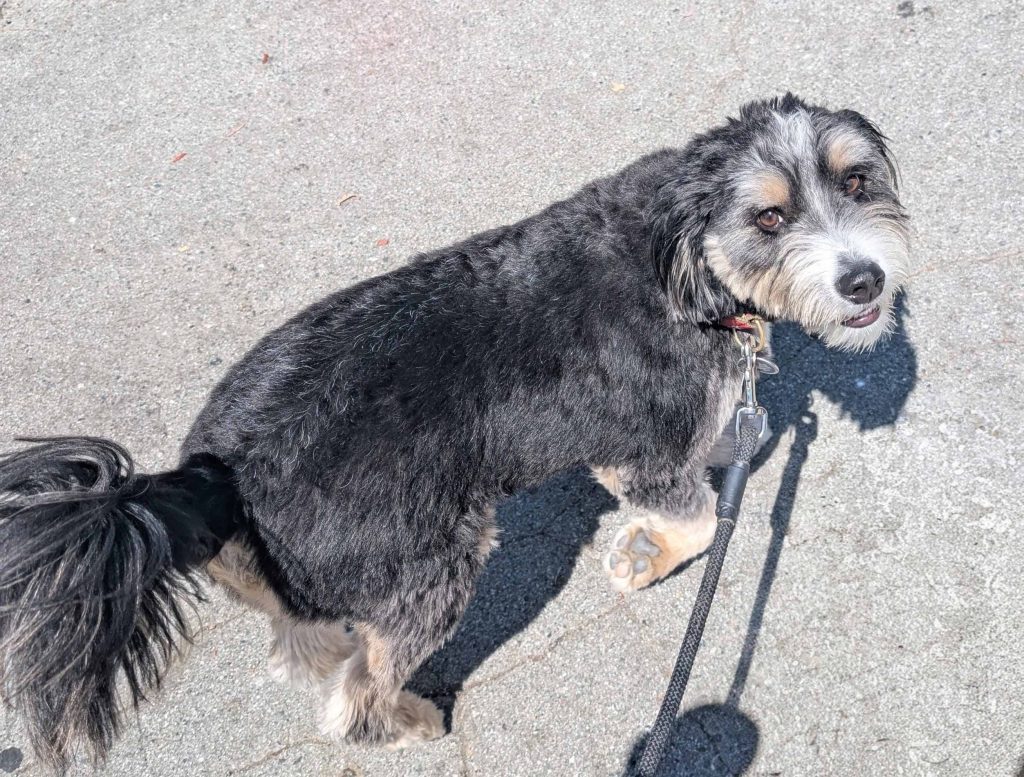
A real STB example: helping Scout feel comfortable
In December 2025, STB began working with Scout, a sweet rescue puppy in Redwood City who had had a difficult start and needed time to warm up to unfamiliar people.
During the meet and greet, Scout’s mom and our team talked through what would help Scout feel most comfortable. We agreed that STB’s team-based model – a small group of trained W-2 employees who share documented care instructions and can step in for one another when appropriate – could help Scout become familiar with more than one trusted caregiver over time. The important condition was that every team member would approach Scout on her terms.
Together, we created a consistent greeting plan:
- Enter slowly and quietly, picking up Scout’s leash and harness on the way to her pen in the living room.
- Go into the pen, close the door behind you, and sit nearby with the leash and harness in hand so Scout could sniff and become comfortable.
- Begin gentle petting only once she was receptive.
- After a few minutes, put on her harness. If Scout signaled that she was not ready, pause, return to calm petting, and try again shortly.
- Carry her outside to the sidewalk before beginning the walk.
For roughly four to five months, the team followed that plan whenever someone arrived – even if Scout had met that person before. It was not a generic puppy protocol; it was a plan built around one individual dog and one household’s observations.
Nine months later, as of this publishing, Scout no longer needs her pen. She free-roams at home and runs up to greet the team when it is time for her walk. Her story is a good reminder that careful preparation, consistency, and respect for a dog’s individual comfort level can make a meaningful difference over time. Dogs with fear-related concerns may need individualized support, so owners should involve their veterinarian or qualified behavior professional when appropriate.
A quick disclaimer: Scout was not aggressive in any capacity, simply shy and uncertain. Dogs with a history of human aggression are best suited to an individual walker with experience handling these behaviors, in coordination with a veterinary behaviorist and/or trainer for the safety of all involved.
What a professional team means for your dog
Some households prefer one consistent individual. Others value the reliability of a small professional team.
At Simply The Best Pet Care, our team-based model means your dog’s care instructions are documented, not held in just one person’s memory. Team members can learn your dog’s routine, and we can arrange backup coverage when a scheduled walker is unavailable, subject to safety, home access, and exceptional circumstances. This means the scramble does not fall on you.
For a dog like Scout, this also meant that new team members could follow the same calm, detailed introduction plan rather than improvising. A team-based model is likely a large part of why Scout is now so comfortable around new people: it served as consistent, daily practice for her socialization skills. For a social adult dog, a team model may simply mean that a prepared team member can provide continuity when needed.
Expect a clear post-walk update
A professional dog-walking service should tell you how the visit went. At STB, that includes timestamps, photos, and a detailed visit report noting how the walk went and anything out of the ordinary.
Before your first walk, let your team know what kinds of updates are most helpful to you. Some clients want confirmation that their dog ate, drank water, or had a normal potty break. Others mainly want to know that the walk went smoothly and their home was secured afterward.
The goal is simple: you should be able to focus on your workday without wondering how the visit went.
Related: Private vs. Pack Dog Walks: Which Is Right for Your Dog?
Your first-walk checklist
Before your first professional dog walk, make sure you have:
- Completed the meet and greet
- Shared accurate access, alarm, gate, and parking instructions
- Shown where the leash, harness, treats, towels, and poop bags are kept
- Confirmed the harness or collar fits properly
- Explained your dog’s greeting preferences, cues, habits, and triggers
- Shared relevant health, veterinary, and emergency contact information
- Discussed your preferred walk routine and any weather-related limitations
- Confirmed how post-walk updates will be sent
- Updated the team if anything changes before the first visit
Ready to begin recurring weekday dog walking?
The first walk should feel thoughtful, not rushed. A clear plan helps your dog settle into a new routine and gives you confidence that their weekday care is being handled professionally.
Explore STB’s private dog-walking services, learn more about how our process works, or schedule a complimentary meet and greet to discuss your dog’s routine, preferred weekday schedule, and whether Simply The Best Pet Care is the right fit for your household. We can’t wait to meet you!
Proudly serving San Carlos, Redwood City, Emerald Hills, Atherton, Menlo Park, and parts of Portola Valley, Downtown Woodside, and Palo Alto.
What should I leave out for a new dog walker?
Leave the leash, properly fitted harness or collar, treats if used, poop bags, towels, and any weather gear in one clearly communicated location. Also provide access instructions and your veterinarian and emergency-contact information.
Should my dog meet the walker before the first walk?
You and your dog should meet a representative of the professional company you are interested in working with. A meet and greet lets you explain routines, supplies, access, and handling preferences so the representative – usually the company owner or a team member – can note it all down and ensure it’s properly communicated to all dog walkers on their team.
What if my dog is shy with new people?
Tell the company before the meet and greet. A shy dog may need a slower, individualized introduction plan. Do not assume a dog will become comfortable on a fixed timeline, and consult your veterinarian or a qualified behavior professional if you have concerns.
Can more than one dog walker work with my dog?
It depends on your dog and the company’s system. A small, trained team can support continuity when care instructions are documented and each team member follows the same plan. Some dogs may still do best with a more gradual introduction to additional caregivers, and others may need a solo dog walker all together.
What should I do if my dog’s routine changes?
Update your dog walking team as soon as possible. Changes to access, equipment location, health needs, walking restrictions, household routines, or behavior notes should be documented before the next visit. For many professional companies, including STB, you can make changes directly in their app.

Caroline Mameesh is the founder of Simply The Best Pet Care and has provided professional pet care on the San Francisco Peninsula since 2014. She leads STB’s small team of vetted, trained W-2 employees and specializes in private dog walking, in-home pet sitting, pet-care safety, and reliable care systems. Simply The Best Pet Care is insured and bonded, a member of Pet Sitters International, and Caroline is a dedicated student of DogCo Launch. She is committed to raising the bar for pet care. When she isn’t out with pets or working to make Simply The Best even better for her clients, she likes to put her knowledge and years of experience down on paper so she can share it with pet parents more easily. That’s why this blog was born!