


Every dog owner faces the same dilemma when standing in the pet store aisle: harness vs collar. It seems like a simple choice, but the equipment you use to walk your dog has a profound impact on their long-term health, comfort, and safety. If you’ve ever watched your dog gasp or cough after pulling toward a squirrel, you already know that the stakes are higher than just aesthetics.
As a dedicated pet care provider, we prioritize safe dog walking above all else. Whether we are providing top-tier dog walking services or just taking a pup out for a quick bio break, the equipment matters. In this comprehensive guide, we are settling the harness vs collar debate once and for all by looking at the anatomy of your dog’s neck, the hidden risks of traditional collars, and how to choose the right gear for your furry best friend.
The Anatomy of Your Dog’s Neck
To truly understand the harness vs collar discussion, we have to look beneath the fur. A dog’s neck is an incredibly complex and vulnerable part of their body. Just like humans, a dog’s neck houses the trachea (windpipe), the esophagus, the thyroid gland, and a crucial network of nerves and blood vessels.
When a dog pulls on a traditional neck collar, all of that force is concentrated on the front of their throat. The trachea is supported by rings of cartilage, but these rings are not made of stone. They can flatten, bend, or even break under pressure. For smaller breeds, this cartilage is exceptionally fragile, making them highly susceptible to a condition known as tracheal collapse. In addition, the thyroid gland, located at the base of the neck, can become inflamed or damaged from the repeated trauma of leash pulling, leading to an underactive thyroid.
Understanding this anatomy makes the harness vs collar debate much more than a matter of preference – it becomes a matter of medical prevention.
The Case for Collars: When Are They Appropriate?
Collars are not inherently evil. In fact, they are a vital part of responsible pet ownership. A standard flat collar is the absolute best place to hang your dog’s ID tags, rabies vaccination tags, and licensing information. If your dog accidentally slips out the front door, a collar with visible ID is their fastest ticket home.
Collars are also incredibly convenient. They are easy to slip on and off, making them ideal for quick potty breaks in the backyard or for dogs that are already masterfully trained to walk on a loose leash. If your dog walks by your side with a characteristic “J” shape in their leash and never darts after distractions, a collar is perfectly fine.
However, when comparing a harness vs collar for actual exercise, the collar falls short for the vast majority of dogs who still have a little “pull” left in them.
The Hidden Dangers of Collars: Neck Injuries and Beyond
The reality is that most dogs are not perfect loose-leash walkers 100% of the time. When a dog lunges, pulls, or twists while wearing a collar, the physical toll can be severe.
According to veterinary experts at PetMD, repeated stress on a dog’s neck from pulling can lead to significant long-term medical issues. A dog neck injury collar incident isn’t just about a temporary cough; it can cause damage to the salivary glands, lead to chronic back pain, or even cause increased intraocular pressure (pressure inside the eyes), which is particularly dangerous for breeds prone to glaucoma.
Traditional collars can also present a strangulation hazard if a dog panics and twists, or if the collar gets caught on a fence or branch. For pet parents, realizing the sheer amount of damage a simple piece of nylon can do to a pulling dog often makes the harness vs collar decision much easier.
Tip: if you leave your dog unsupervised for extended periods and want to keep their collar on, consider a breakaway collar. If they get stuck on something, these types of collars – commonly used for outdoor cats – will snap off with increased pressure, freeing the dog and avoiding serious injury or strangulation.
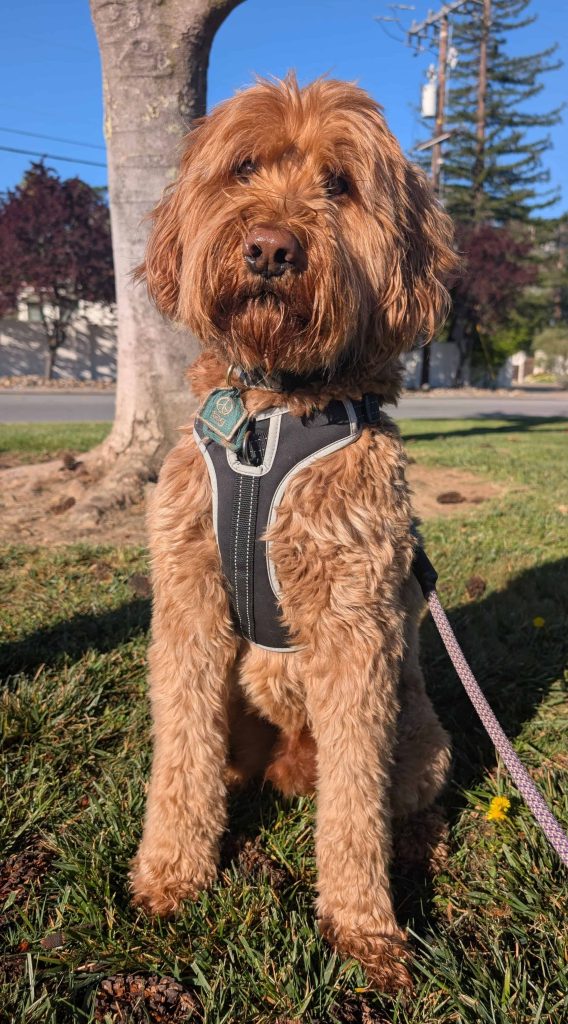
The Case for Harnesses: Protecting the Neck and Spine
This brings us to the other side of the harness vs collar debate. A well-fitted harness redistributes the force of a leash away from the fragile structures of the neck and spreads it across the much stronger chest, shoulders, and upper back.
For almost every scenario involving structured exercise, a harness is the best dog walking gear you can invest in. According to the American Kennel Club (AKC), harnesses are particularly crucial for puppies who haven’t learned leash manners, small breeds prone to throat damage, and dogs with elongated backs (like Dachshunds) who need extra spinal support.
There are two main types of harnesses to consider:
- Back-Clip Harnesses: These are excellent for small dogs or dogs with sensitive tracheas. They protect the neck completely but don’t offer much directional control if your dog is a heavy puller.
- Front-Clip Harnesses: If your dog has a tendency to lunge after squirrels, front-clip harnesses can help. Because the leash attaches at the center of the chest, any forward pulling naturally redirects the dog’s momentum back toward you, discouraging the pulling behavior without harming their throat.
An important note: there is some evidence to suggest that front-clip harnesses, when poorly fitted or used in highly active dogs, can cause shoulder strain and musculoskeletal pain because it inhibits proper shoulder movement. If you engage in running, hiking, or other athletic endeavors with your dog, a back-clip harness is safer, even if they pull.
If you have a dog who pulls excessively on regular walks, this can sometimes be worsened by a harness because they can encourage dogs to “lean in” and pull against the pressure, almost like sled dogs. In these cases, practicing loose leash walking – or even working with a positive reinforcement trainer – is the safest long-term solution for you and your dog.
Furthermore, veterinary consensus strongly advises that brachycephalic (flat-faced) breeds like Pugs, French Bulldogs, and Boston Terriers should always be walked on a harness. Their airways are already compromised due to their genetics, and any pressure on the neck from a collar can lead to severe respiratory distress.
Harness vs Collar: Which Should You Choose?
So, where do we land on the great harness vs collar debate? The answer relies heavily on how you use them. It is not necessarily an either/or situation. The safest and most practical approach is usually a combination of both.
Your dog should wear a comfortable, flat collar holding their identification tags at least whenever they leave the house. However, when it’s time to clip on the leash for a walk, a hike, or a trip to the local park, you should attach that leash to a properly fitted harness.
Consider your dog’s specific needs:
- Small Breeds (Chihuahuas, Pomeranians): Harness for walking. Their tracheas are too fragile for collar pressure.
- Brachycephalic Breeds (Bulldogs, Pugs): Harness for walking. Essential to protect their breathing.
- Reactive Pullers: Front-clip no-pull harness. Protects the neck while teaching better leash manners.
- Heavy Pullers: Work on loose leash walking, and consider trying a Gentle Leader in the meantime. Avoid front-clip harnesses as a long-term solution due to possible shoulder strain.
- Well-Trained, Loose-Leash Walkers: A collar may suffice, but a harness still offers a safer backup in case they get spooked or lunge unexpectedly.
Related: Stulsaft Park Dog Walking: A Local’s Guide to Redwood City’s Best Kept Secret
How We Handle the Harness vs Collar Debate Locally
As a trusted dog walker Redwood City – and surrounding – residents rely on, we see firsthand how the right gear transforms a walk from a stressful tug-of-war into an enjoyable bonding experience. We always assess the equipment our clients provide. If we notice a dog coughing on their collar or struggling to breathe comfortably, we bring it up with the pet parents to see if they’d be open to switching gear.
Our commitment to pet safety extends throughout our entire service area. Whether we are visiting a pup in Redwood City or providing comprehensive pet care in San Carlos, we advocate for the safest possible walking practices. We want your dogs to return home happy, tired, and completely free of neck strain.
Evaluating the harness vs collar options for your specific dog is one of the most proactive steps you can take for their preventative health.
Final Word
The final verdict in the harness vs collar discussion is clear: when it comes to the physical act of walking on a leash, a harness is exponentially safer for your dog’s neck. Collars are excellent – and necessary – tools for holding identification, but they were never designed to bear the brunt of a pulling dog’s body weight.
By making the switch to a high-quality harness for your daily walks, you are protecting your dog’s trachea, thyroid, and spine, ensuring they stay healthy and comfortable for years to come. Ultimately, understanding the harness vs collar distinction allows you to be the best possible advocate for your dog’s wellbeing.
Looking to work with dog walkers who prioritize safety and use proper equipment? We’d love to meet you. Simply The Best Pet Care specializes in helping high-performing Bay Area professionals outsource their dog’s walks so they never have to worry about them again. You’ll feel an immediate weight lifted, and your dog will thank you. Schedule your complimentary meet and greet today!
1. Is it okay to leave a harness on my dog all day?
While the harness vs collar debate heavily favors harnesses for walking, you should not leave a harness on your dog all day. Prolonged wear can cause severe chafing, matting of the fur (especially in long-haired breeds), and general discomfort. It is best to remove the harness when your dog is relaxing inside the house and just leave their flat ID collar on.
2. Can a harness cause a dog to pull more?
A standard back-clip harness can sometimes trigger a dog’s “opposition reflex,” causing them to pull harder, much like a sled dog. If your dog is a heavy puller, switching to a front-clip harness is the best temporary solution. It gently redirects their chest toward you when they pull, teaching them that pulling doesn’t get them to their destination any faster. Remember, heavy pulling in front-clip harnesses can lead to shoulder problems, so make sure to work on reducing pulling and avoid relying on intense shoulder/chest pressure to control your dog.
3. What are the signs of a dog neck injury from a collar?
If you are worried about a dog neck injury collar incident, watch for symptoms such as a harsh, honking cough, gagging, reluctance to move their head, sudden behavioral changes (like uncharacteristic aggression due to pain), or heavy panting. If you notice any of these signs, switch to a harness immediately and consult your veterinarian.
4. How tight should my dog’s collar and harness be?
The general rule of thumb for both pieces of gear is the “two-finger rule.” You should be able to comfortably slip two fingers between the equipment and your dog’s skin. If you can’t, it’s too tight and could restrict breathing or chafe. If you can fit your whole hand, it’s too loose, and your dog might back out of it and escape.
5. Are retractable leashes safe to use with a collar?
No. Retractable leashes should ideally not be used at all, but they are exceptionally dangerous when attached to a neck collar. If a dog gains 15 feet of momentum and suddenly hits the end of the retractable line, the violent jerk on their neck can cause severe whiplash, tracheal collapse, or spinal injury. Always use a standard 4 to 6-foot fixed leash, preferably attached to a harness.
6. Do I still need a collar if my dog is microchipped?
Yes. While microchips are essential for permanent identification, they require a scanner (usually at a vet or shelter) to read. If a neighbor finds your dog wandering down the street, a visible collar with an ID tag and phone number is the fastest way for them to contact you directly. The ideal setup is an ID collar for identification and a harness for leash attachment.
7. Why do dog trainers sometimes use collars instead of harnesses?
In professional, controlled training environments, some trainers use specific collars to deliver subtle communication cues to a dog. However, this is done with extensive expertise and precise timing on a loose leash, not by dragging or restricting the dog. For the average pet parent out on a neighborhood walk, a harness remains the safest choice for preventing accidental injury.

Caroline Mameesh is the founder of Simply The Best Pet Care and has provided professional pet care on the San Francisco Peninsula since 2014. She leads STB’s small team of vetted, trained W-2 employees and specializes in private dog walking, in-home pet sitting, pet-care safety, and reliable care systems. Simply The Best Pet Care is insured and bonded, a member of Pet Sitters International, and Caroline is a dedicated student of DogCo Launch. She is committed to raising the bar for pet care. When she isn’t out with pets or working to make Simply The Best even better for her clients, she likes to put her knowledge and years of experience down on paper so she can share it with pet parents more easily. That’s why this blog was born!