


As professional dog walkers, our mission has always been simple: get dogs outside, keep them safe, make sure they come home tired and happy, and make their pet parents’ lives way easier. When we see ways to improve a dog’s well-being, we make sure to stay informed. And in 2026, we’ve seen clients monitoring their dogs’ health in a more data-driven way. Some have traded in simple leather collars for sophisticated wearable dog trackers and smart dog collars that tell them everything from their pup’s heart rate to how many “zoomies” they had while they were on their dog walk with us.
But let’s get down to the brass tacks. Does the data actually translate to a healthier dog? Let’s read on.
The Walker’s Perspective: Why We Love the Data
We know your dog’s “normal.” We know when Buster is a little slower on the hills or when Daisy is extra thirsty. However, our time with your pet is only a snapshot of their day. Wearable dog trackers bridge the gap between our walks and your time at home.
When we see a dog wearing one of these devices, it adds an extra layer of insight to our service. It’s not about us being “tracked” by you; it’s about us having a shared language to talk about your dog’s well-being. If we notice a dog seems lethargic, we’ll alert you; you can then check the app to see if they had one restless night or if their activity levels have been trending downward all week.
Comparison: The Evolution of Pet Tech
Here’s a breakdown on what wearable dog trackers can get you:
| Feature | Traditional Collars | 2026 Wearable Dog Trackers |
| Safety | ID Tags only | Real-time GPS pet tracking |
| Activity | “Did they get a walk?” | High-fidelity canine fitness monitoring |
| Health Awareness | Visible symptoms only | Early-warning biometric shifts |
| Daily Logic | Manual logging | Automatic, AI-driven daily summaries |
1. Bridging the Gap with Canine Fitness Monitoring
One of the hardest parts of being a pet parent is the “exercise guessing game.” How intense was the walk your dog got based on their level of fitness? How many micro-zoomie moments were there, or was it a sniff-heavy walk? Although our post-walk updates are thorough and we pay close attention, it’s impossible for us to capture all the minutia.
Canine fitness monitoring can be an excellent tool for preventing the “weekend warrior” syndrome in dogs. This happens when a dog is too sedentary all week – even if you’re walking them consistently, it may not be enough – and then over-exerts themselves on a long Saturday hike, leading to a frustrated, anxious dog throughout the week and potential injuries.
You may want to increase frequency and/or intensity of your dog’s walks based on what the wearable says. If you need help doing so, consider working with a professional dog walking company like Simply The Best. With us, your dog’s walks are handled, and you’ll never have to think about them again. Schedule your complimentary meet and greet today!
By using wearable dog trackers, we can ensure your dog hits a consistent baseline of movement every day that’s appropriate for them. According to the American Kennel Club (AKC), maintaining a consistent exercise routine is vital for joint health and weight management, especially as dogs age. We can use this data to tailor our walks—if you tell us your dog has already hit their “active minutes” goal for the day, we might opt for a mentally stimulating “sniffari” instead of a speed-walk… or vice versa.
Related: How Often Should I Walk My Dog? A Weekday Game Plan for Busy Bay Area Professionals
2. Safety First: The Power of GPS Pet Tracking
We take every precaution possible, but as any professional knows, the “unthinkable” can happen—a collar snaps, a gate is left ajar by a contractor, or a loud noise panics a pup.
In 2026, GPS pet tracking has become incredibly reliable. Unlike older models that relied on spotty cellular signals, modern trackers use a combination of 5G and satellite tech. For us, seeing a tracker on a dog’s collar is like an insurance policy. It provides an immediate safety net that allows us to find a lost pet in minutes rather than hours.
The ASPCA notes that thousands of lost pets are reunited with their families every year thanks to technology, though they correctly emphasize that these devices should always be used in tandem with a permanent microchip. From our view, the peace of mind that comes with knowing a dog’s location at all times is priceless for both the walker and the owner.
3. Supporting Preventative Pet Healthcare
While we aren’t vets, we are often the first people to notice when something is “off” with a dog. However, our observations – and yours – are subjective. Wearable dog trackers provide the objective data that vets need to make informed decisions and can help you make decisions before anything visible occurs.
This is the core of preventative pet healthcare. These devices can track:
- Sleep Quality: Is your dog tossing and turning? This could be an early sign of joint pain or discomfort that hasn’t manifested as a limp yet.
- Scratching/Licking: A sudden spike in these behaviors can alert you to allergies or hot spots before they become raw and infected.
- Resting Vitals: Some 2026 models even track respiratory rates.
When we tell a client, “Hey, we think Sparky was a bit slow today,” and the owner can pull up an app that shows Sparky’s sleep was disrupted for almost two weeks in a row, that’s a powerful combination. It allows for a proactive vet visit before a minor issue becomes a major medical bill.
4. The “Internet of Pets” and Smart Home Integration
By 2026, smart dog collars aren’t just standalone items; they’re part of your home ecosystem. We’ve seen setups where the dog’s tracker communicates with smart doggie doors or even automated water dispensers.
As dog walkers in Silicon Valley, the tech capital of the world, we love tech that makes the dog’s environment more responsive. For instance, if a tracker senses a dog’s body temperature rising after a vigorous mid-day walk, it can trigger the home’s AC to drop a few degrees. This level of integrated care ensures that the benefits of our walk aren’t undercut by a house that’s too hot or a dog that’s too thirsty.
5. Our Top Brand Recommendations
We are strictly a “positive reinforcement” company. We believe that technology should be used to empower and protect dogs, not to punish them. We do not recommend any brands that utilize static “correction,” “shock,” or aversive features.
If you’re looking to invest in wearable dog trackers this year, here are the brands we see most often and that do not use punishment methods:
The Fi Series 3
The Fi collar has long been a favorite in the dog walking community. It’s rugged, waterproof (perfect for those muddy spring walks), and has a battery life that lasts for weeks, not days. It focuses heavily on GPS pet tracking and step-counting without any aversive features. It’s sleek and looks great on almost any breed.
Tractive GPS & Wellness
Tractive is a powerhouse for real-time tracking. If your dog is a “flight risk,” this is the one we usually suggest. Their 2026 models have integrated amazing health features that track “calm” versus “agitated” states. We love their simple interface that allows owners to “share” their dog’s location with us temporarily during walk hours.
PetPace
PetPace is a great all-around choice that includes location tracking but specializes in in-depth health insights. Their collars monitor vital signs, detect pain, track sleep and activity, and offer 24/7 vet access via phone or video chat, among many other features.
The Verdict: A Helpful Tool, But Not Mandatory
Do wearable dog trackers actually improve health? In our professional opinion: Yes, they can (but they are NOT mandatory) when used and monitored correctly.
They improve your dog’s health by making you more mindful and aware. They turn “I think he’s okay” into “I know he’s okay.” They give you the tools to catch health problems before they become emergencies. Technology will never replace the love of a pet parent or the intuition of a great walker, but it’s a pretty fantastic assistant to have on the other end of the leash.
Still, we must make it clear: it is absolutely not essential to invest in one of these wearable dog trackers. If you are attentive, maintain your dog’s exercise routine, and schedule regular vet visits, that gets you most of the way there. This technology upgrade is up to you, but it certainly can’t hurt.
Need Help With Your Dog’s Walk Schedule?
Wearable dog trackers won’t be enough if your dog’s walk schedule is inconsistent. One of the most essential ways to protect your dog’s long-term physical and mental health is through regular, scheduled exercise.
We understand that life in the Bay Area is a hustle, and sometimes your dog’s midday walk falls through the cracks as your work schedule piles up. Ready to never worry about it again? We’ll handle those walks seamlessly and return that time and energy back to you. Schedule your complimentary meet and greet to see why high-performing Bay Area professionals trust us to make their lives easier and their dogs lives better.
FAQs on Wearable Dog Trackers
To round out our smart dog collar post, we’ve compiled the most common FAQs we hear from our local pet parents. These are designed to help you navigate the “smart” side of pet ownership with confidence.
No. This is a common point of confusion! A microchip is a permanent identification implant that must be scanned by a vet or shelter if your dog is found. A smart dog collar or tracker is an external device that provides active, real-time GPS pet tracking and health data. We recommend using both: the chip for permanent ID and the tracker for proactive safety and health monitoring.
Most modern trackers in 2026 use a combination of 5G, Bluetooth, and satellite technology. While real-time updates might slow down in deep canyons or remote forests, many “hybrid” devices (like the ones we recommended above) can still log data locally and sync it once a connection is restored. If you live in a rural area, look for a tracker specifically designed for “long-range” or satellite-primary connectivity.
While we aren’t health experts, we do know that the data from these devices can be incredibly revealing. These trackers monitor “baseline” behaviors. If the device detects a 40% increase in nighttime scratching or a significant drop in canine fitness monitoring stats, it’s a red flag. It doesn’t “diagnose” the illness, but it tells you—and us—that something has changed, allowing you to get to the vet sooner.
In 2026, pet tech has shrunk significantly! Most brands now offer “Mini” or “Lite” versions specifically for toy breeds and cats. When we fit a collar for a walk, we use the “two-finger rule”—you should be able to snugly fit two fingers between the collar and your dog’s neck to ensure it’s comfortable and the sensors are making proper contact.
Generally, yes. Since GPS pet tracking requires a connection to cellular or satellite networks (similar to a smartphone), most companies charge a monthly or annual fee to keep that “data line” open. However, some health-only trackers that sync via Bluetooth to your home Wi-Fi offer basic monitoring without a subscription.
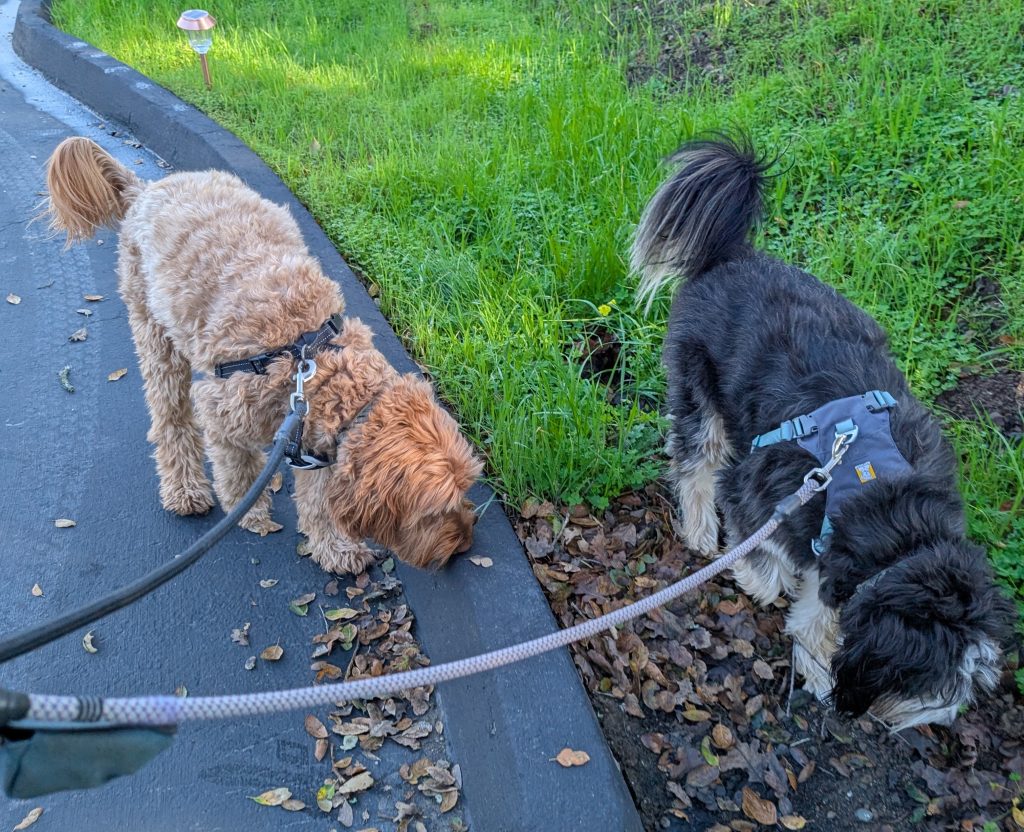
We always prioritize safety. If your dog is a heavy puller, we recommend providing us with a high-quality harness with which to attach the leash, rather than the smart collar itself. This protects the delicate technology in the collar and, more importantly, prevents strain on your dog’s neck while still allowing the sensors to collect accurate activity data.

Caroline Mameesh is the founder of Simply The Best Pet Care and has provided professional pet care on the San Francisco Peninsula since 2014. She leads STB’s small team of vetted, trained W-2 employees and specializes in private dog walking, in-home pet sitting, pet-care safety, and reliable care systems. Simply The Best Pet Care is insured and bonded, a member of Pet Sitters International, and Caroline is a dedicated student of DogCo Launch. She is committed to raising the bar for pet care. When she isn’t out with pets or working to make Simply The Best even better for her clients, she likes to put her knowledge and years of experience down on paper so she can share it with pet parents more easily. That’s why this blog was born!